
Gratitude Series Whole Home Filtration System


Gratitude Series Filtration
Removes or reduces some of the most prevalent contaminants in water such as chlorine, ammonia, chloramines, pesticides, herbicides, VOCs and more
Provides cleaner, safer water throughout the entire home
Healthy minerals remain in the water creating naturally alkaline water throughout the home
10 year warranty on tank and valve
Quick turnaround time from order to install
*Prices may vary depending on house size, number of people in the home and initial set-up.
Benefits
Technology
Install Specs
FAQS
Gratitude Series Filtration Only System
-
Removes or reduces some of the most prevalent water contaminants such as chlorine, ammonia, chloramines, pesticides, herbicides volatile organic compounds, and more!
-
Healthy minerals remain in the water creating naturally alkaline water throughout the home.
-
Conveniently enjoy 24/7 delicious, hydrating water from every faucet in the home.
-
Enjoy showers and baths that don’t dry out your skin and hair.
-
No maintenance between filter changes (every 7-8 years).
-
10 Year Warranty on tank and valve.
-
Quick turnaround time from order to install.
OUR TECHNOLOGY
ELECTRONIC VALVE
The state-of-the-art electronic valve automatically manages the systems regeneration process which increases the filters longevity and provides a true maintenance free experience. The rinse water is also suitable to be routed to a garden or lawn area, making it a zero-waste solution.
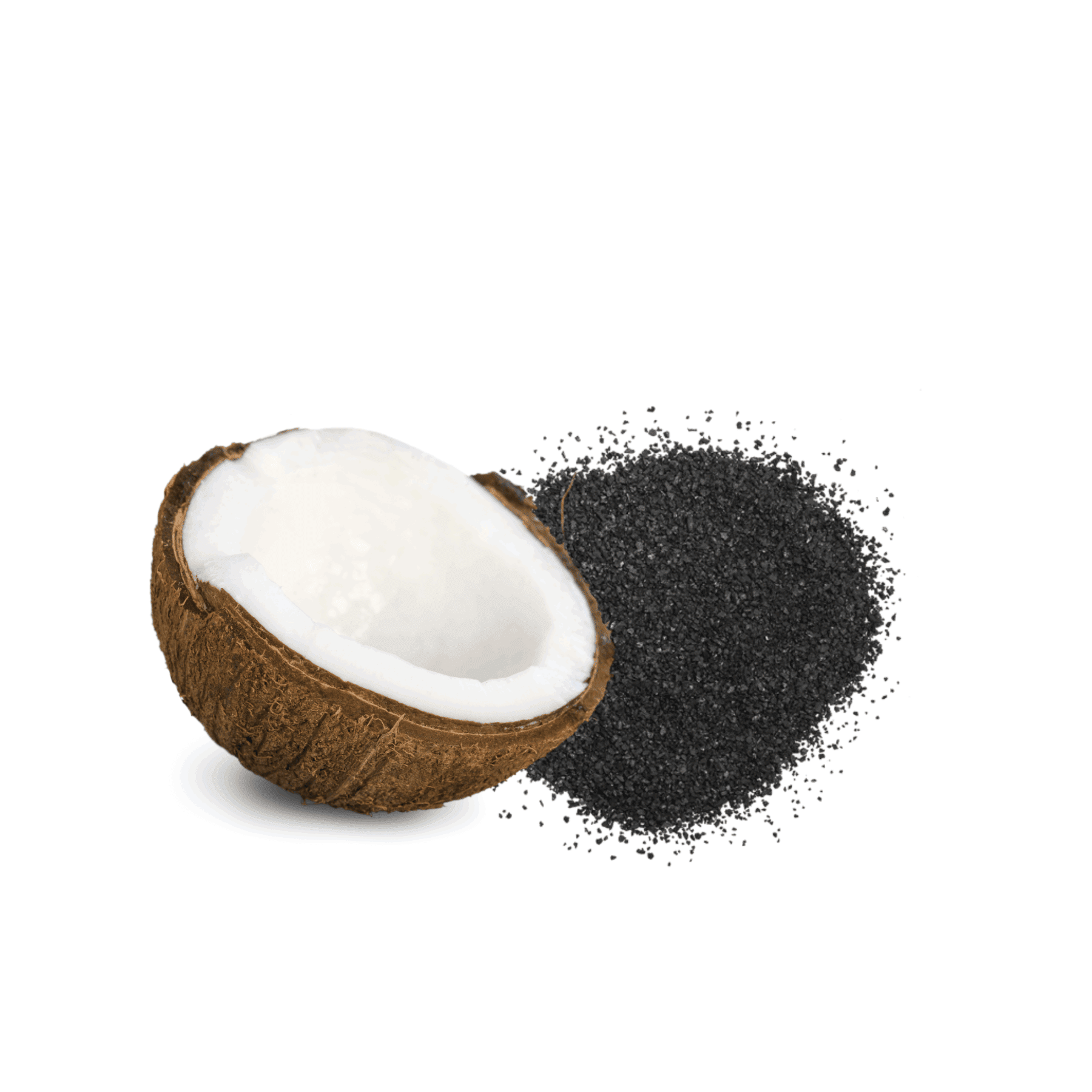
GRANULAR ACTIVATED COCONUT CARBON
Coconut carbon is one of the most highly effective and eco-friendly water filtration media’s made. It’s highly porous, which allows it to efficiently reduce or remove the most prevalent impurities in city water such as chlorine, ammonia, pesticides, herbicides, volatile organic compounds and more. It’s made from natural coconut shells and does not contain any synthetic materials, making it a healthy and sustainable choice for the environment. It’s also long lasting and requires no maintenance between filter changes
COCONUT ACTIVATED CATALYTIC CARBON
Catalytic coconut carbon is a type of activated carbon that has been impregnated with a natural catalyst, that enhances its ability to address certain contaminants that GAC alone cannot. When used in combination with Granular Activated Carbon (GAC), it provides a more comprehensive treatment of the water while also increasing the overall capacity of the filter.
QUARTZ ROCK
Natural Quartz rock helps maintain flow rate and remove sediment, dirt and silt from the water.



Installation Specifications
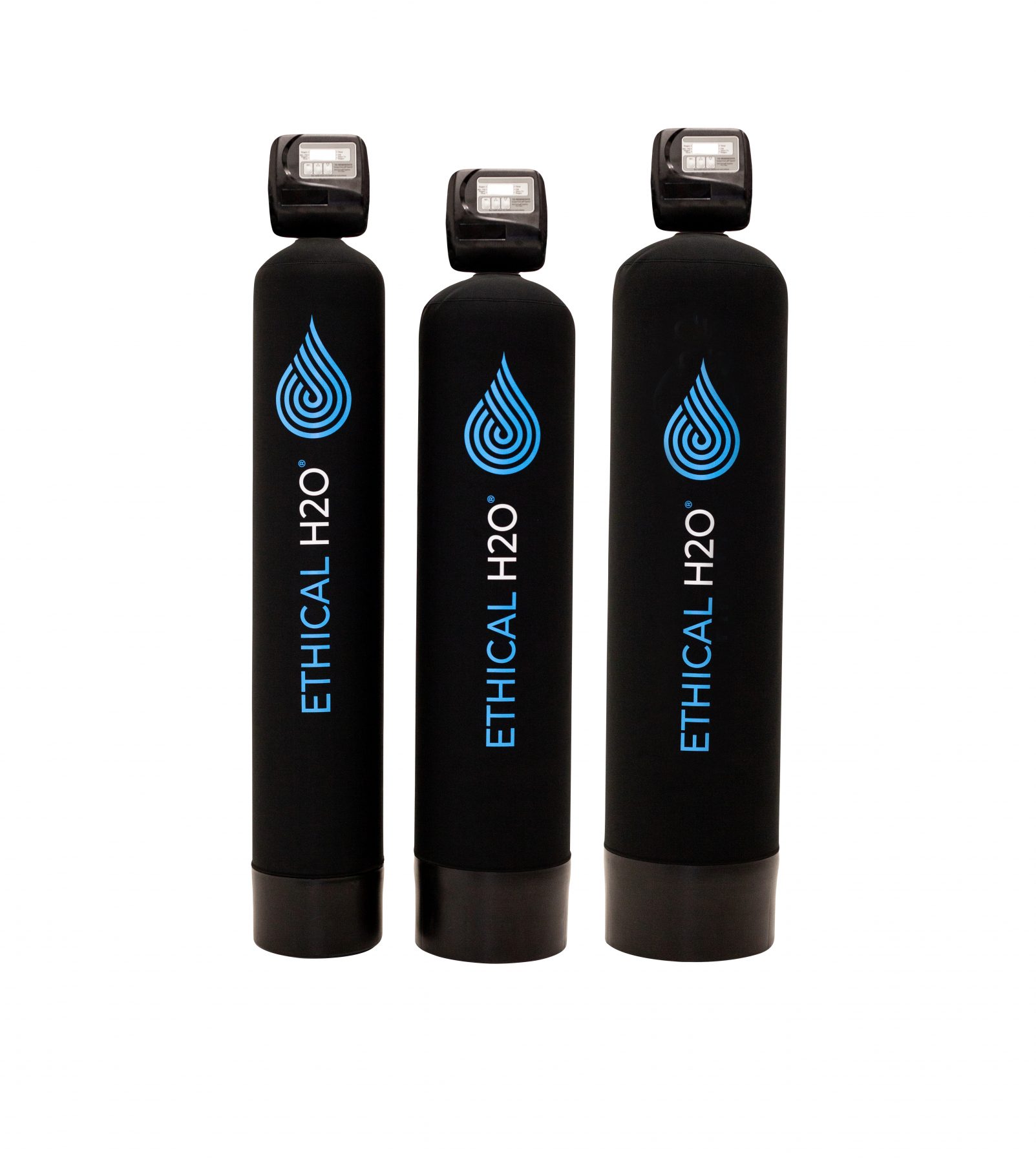
The Gratitude Series comes in 3 different residential models depending on the size of the home, number of bathrooms, and number of people in the home:
Model 1054 – 10″ x 64″ tank, 1.5 cubic feet, 41 lbs. (total) Granulated Activated Carbon (GAC), 15 gallons per minute flow rate per minute. Suitable for homes of 1-3 bathrooms and 1-4 people in the home.
Model 1252 – 12″ x 62″ tank, 2 cubic feet, 55 lbs. (total) Granulated Activated Carbon (GAC), Catalytic Carbon, 18 gallons per minute flow rate per minute. Suitable for homes with 4 bathrooms and 4 people in the home.
Model 1354– 13″ x 64″ tank, 2.5 cubic feet, 69 lbs. (total) Granulated Activated Carbon (GAC), Catalytic Carbon 24 gallons per minute flow rate per minute. Suitable for homes 4+ bathrooms or over 5000 sq. ft. and 5+ people in the home.
Installation Specifications:
- Minimum Installation space required is 15″ width X 18 deep X 66″ height
- Accommodates ¾”, 1″, 1¼ and 1 1/2″ water mains
- Can be installed indoors or outdoors
- Electrical requirements are a standard 110v electrical outlet within 12 feet of system or a 24v transformer plugged in a more distant electrical outlet
- Drain line can be run up to 100’ and drain to either a drain or garden/lawn area
FAQs
In a nutshell what does the Gratitude Series do?
The Gratitude Series whole home filtration system filters the water coming into your home reducing or removing chemical impurities offer cleaner, safer water throughout the entire home.
Can I drink from any faucet in my home?
Yes, every faucet in your home will be filtered water offering cleaner, safer water for drinking, bathing, cooking, cleaning, laundry, watering plants and more!
Where does the system get installed?
The system gets installed where the main line comes into the home (where your shut off and pressure regulator is located). This Is typically in the garage, side of house, basement or can even be in the front of the house. Systems can be installed inside with the exception of any area that reaches freezing or below, the unit then will need to be installed indoors.
How long does the filter last?
We recommend changing out the filter every 7-8 years to maintain the freshest, cleanest water possible at all times.
What is the maintenance?
The system self maintains by periodically regenerating so there’s nothing you need to do between filter changes which is recommended every 7-8 years.
How is a whole home system installed and what is required?
This system is installed typically near where the mainline comes into your home. It requires a regular 110 V outlet somewhere within 12 feet of the system and somewhere to drain the water during its periodic regeneration. It also requires the home to have a working pressure regulator. The regenerated water can go into a garden or lawn area if it’s accessible or it can also go down a drain. Since there’s no salt in the system it’s completely safe for plants, animals, and groundwater.
What is coconut shell carbon?
As the name implies, Coconut shell Carbon is made from coconut shells. It is considered one of the highest-quality carbons you can use and it is one of the best forms of activated carbon for water filtration. Compared to the other types of activated carbon, coconut shell carbon has more surface area and a higher density of micro-pores which makes it more absorbent and is considered one of the best materials for water filtration as it can adsorb volatile organic chemicals, and other contaminants that are hard to remove.
It’s also hands down the most superior carbon for taste delivering clean, delicious water for drinking and cooking. Best of all, coconuts are renewable and readily available which makes this carbon not only good for you but also for the planet.
What is Coconut Catalytic Carbon?
Coconut Catalytic carbon is a type of activated carbon (made from coconut shells) that has a high affinity for removing chloramines, a toxic, carcinogenic by-product of the municipal disinfection process. The surface of catalytic carbon contains catalytic sites that can break down the chloramine molecules into simpler components, effectively reducing or removing them from the water. Additionally, catalytic carbon has a large surface area and a porous structure that allows it to effectively adsorb and remove a wide range of contaminants.
Why does this system use both Catalytic Carbon and Granular Activated Carbon when others only use just G.A.C?
Combining Coconut catalytic carbon with Coconut granular activated carbon (GAC) provides several benefits.
Catalytic carbon is a type of activated carbon that has been impregnated with a natural catalyst that enhances its ability to remove certain contaminants. This type of carbon is particularly effective at addressing chlorine, chloramines, and hydrogen sulfide.
GAC, on the other hand, is a highly porous form of carbon that is commonly used for water treatment due to its ability to adsorb a wide range of organic and inorganic contaminants.
When these two types of carbon are combined, they provide a more comprehensive treatment for water. The catalytic carbon can remove specific contaminants that GAC may not be able to effectively remove on its own, while the GAC can adsorb a broader range of contaminants.
In addition, combining the two types of carbon can increase the overall capacity of the filtration system, since the catalytic carbon can help to prevent the GAC from becoming overloaded with certain contaminants.
The combination of catalytic carbon and GAC provides a more efficient and effective means of treating water, particularly in applications with multiple contaminants.
What is regeneration and why does it happen?
Regeneration (also know as back flushing) is beneficial as it helps maintain the longevity of the filter. Water has a natural affinity to channel through the carbon only allowing the water to have access to a certain percentage of the carbon at any given time. When this happens, if the channeling is not disrupted, eventually that carbon will exhaust (not be able to absorb any more contaminants). Regenerating gently disrupts the channeling allowing the water to constantly have access to new surface area of the carbon which extends the life of the filter and keeps the filter and water fresh and clean.
Can I have a non-regenerating system?
Yes! If you don’t have a drain option or you simply don’t want the regeneration, you can get the system without the regeneration feature. In this case, instead of an electronic valve on top it would come with an in/out head and would not require electrical or a drain. You will however expect to change the filter about every 4-5 years instead of every 7-8.
Can the system be installed outside?
Yes, the system can be installed inside or outside. Outdoor systems need to be ordered with a rain cover for the valve to protect against weather. That said, anywhere in the country with cold climates where temperatures regularly reach below freezing, the unit should only be installed indoors.
What if my main line comes in at the front of my house?
As attractive as our systems are, most people don’t want one as a lawn ornament. Burying the system up to the valve is an option and placing a fake landscape rock over it allows the unit to blend seamlessly into your natural landscape. Alternatively, depending on your property, it may also be a viable option to run the pipe from the main to install the system on the side of your house.
Will this affect my irrigation water?
Typically, your interior and irrigation line are separate; however, that is not always the case. To check, you can turn off your water at the main (the one at the house, not the street). Next turn on your sprinklers. If they turn on, you can be certain that they are not attached to the interior water. If they don’t turn on then you know they are attached to the interior water line. This isn’t necessarily an issue though as the Gratitude series is safe for plants.